Play Training
Campaigns & Proposals
Introduction 8 of 14
Understanding Campaigns and Presentations
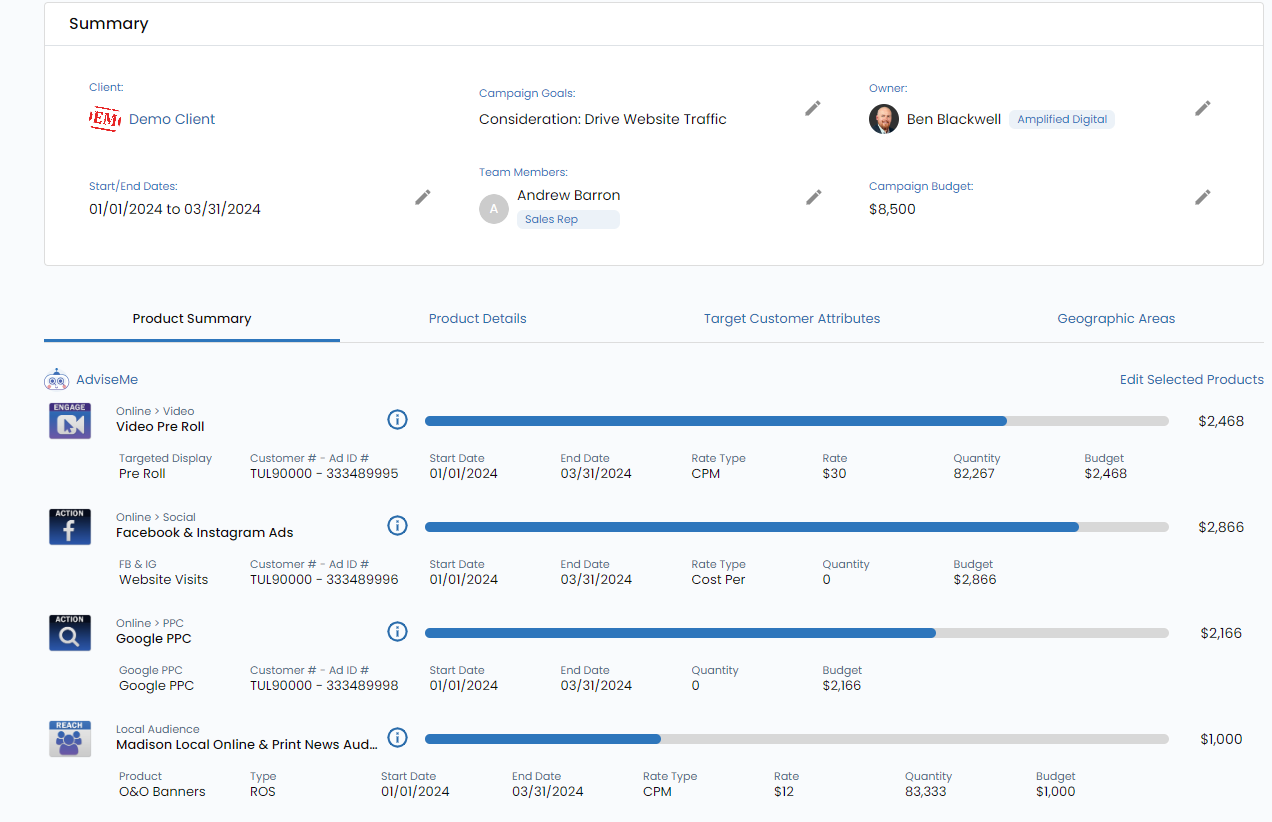
Campaigns in VX serve as the cornerstone of your advertising strategy. These well-defined collections of products, target geographies, and target audiences work in harmony to achieve specific objectives, whether it's boosting brand awareness or driving website traffic. Think of them as the evolved versions of what you might have known as "proposals" in the past.
In VX, campaigns go beyond proposals, offering a more comprehensive and dynamic structure.
 Related How To Guides:
The structure of campaigns and proposals within Vision VX is designed to provide advertisers with a clear and organized framework for creating and presenting their advertising strategies.
Let's take a closer look at how these components are structured in Vision VX.
Campaigns in VX
In Vision VX, a campaign is a well-defined collection of products, target geographies, and target audiences, all working in harmony to achieve a specific goal. This goal might be centered around objectives such as boosting brand awareness, driving website traffic, or any other specific aim. This concept is somewhat akin to what you might have referred to as a "proposal" in Vision 4.0. However, in VX, it goes beyond the proposal stage, evolving into a more comprehensive and dynamic structure.
Proposals in Vision VX
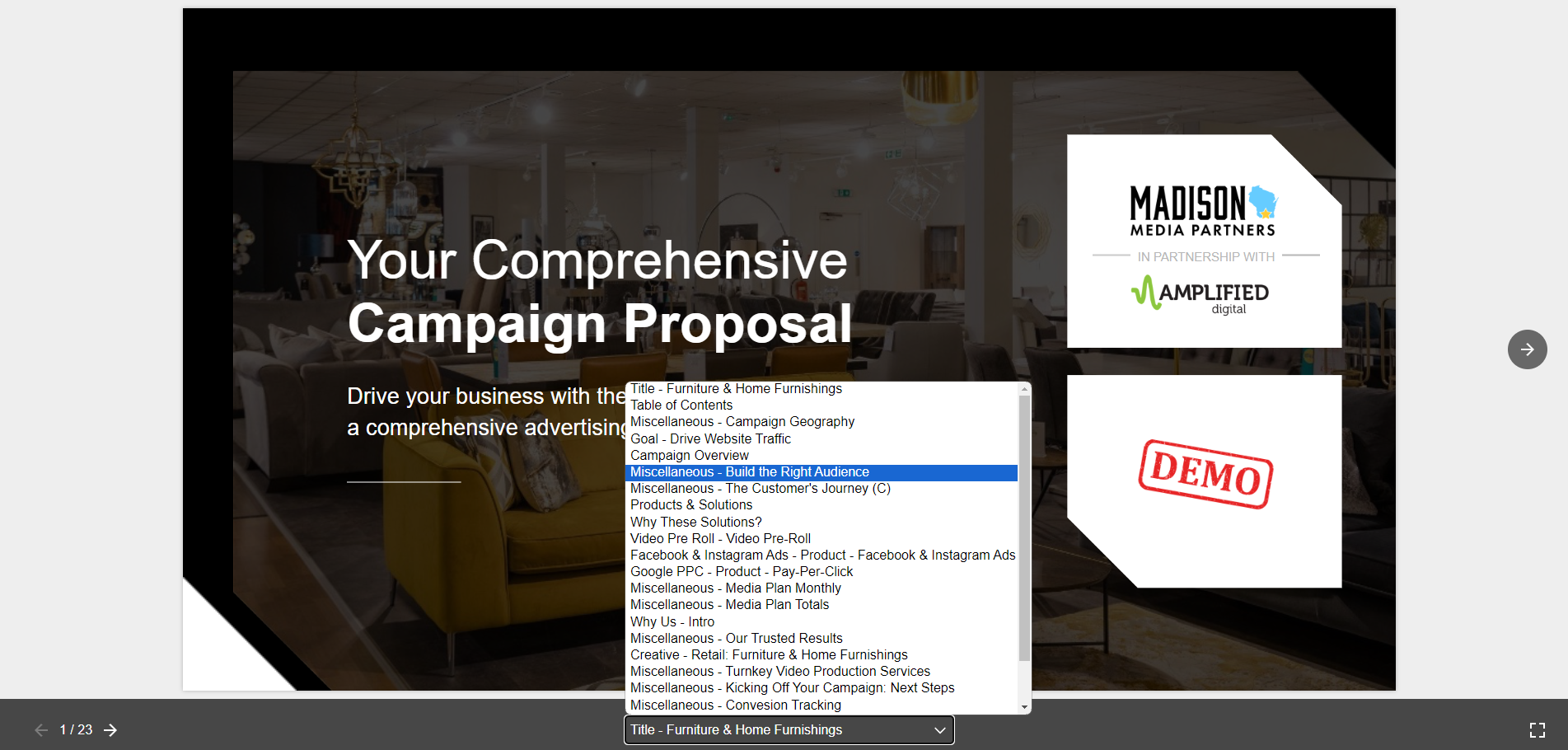
Contrastingly, in Vision VX, a proposal takes on a different role. It becomes a client-facing, interactive document. The primary purpose of a proposal is to translate the recommendations for your target audience, campaign goals, product selections, and geographical targeting into a logical, coherent, and easily understandable presentation. Essentially, it's the bridge between the strategic planning phase and the client-facing phase.
The Process Outline
The workflow for structuring campaigns and proposals in Vision VX involves several key steps:
-
Creating a Client: You start by creating a client profile. This is where you establish the entity or brand you're working for.
-
Creating a New Campaign: Within this campaign, you define the campaign's goal, set the time period for its duration, and allocate a budget to it. This step establishes the overarching framework for your advertising strategy.
-
Selecting Target Geographies: You determine the specific geographical areas or regions you wish to target with your campaign. This is crucial for ensuring your message reaches the right audience.
-
Including Audiences: You define the target audiences for your campaign. This step involves understanding the demographics, interests, and behaviors of the people you want to reach.
-
Adding Recommended Products: Based on the campaign's goal and target audience, you select and add the recommended products that are best suited to achieve your objectives.
-
Allocating Budget: You allocate the budget to different components of your campaign. This step helps in optimizing the utilization of resources.
Once you've completed these essential steps, you have the option to proceed to the creation of a presentation file, which is the proposal. This is a dynamic document that encapsulates your entire campaign strategy, making it interactive and easily comprehensible for your client. You can also choose to add additional campaign details or refine the proposal further before presenting it to your client.
In Vision VX, this well-structured process ensures that campaigns and proposals are closely aligned with the advertiser's objectives, target audiences, and geographic considerations, making it easier to create and present effective advertising strategies. This enhanced framework enhances the collaboration between advertisers and their clients, resulting in more successful campaigns.